New Frontiers in Library Services

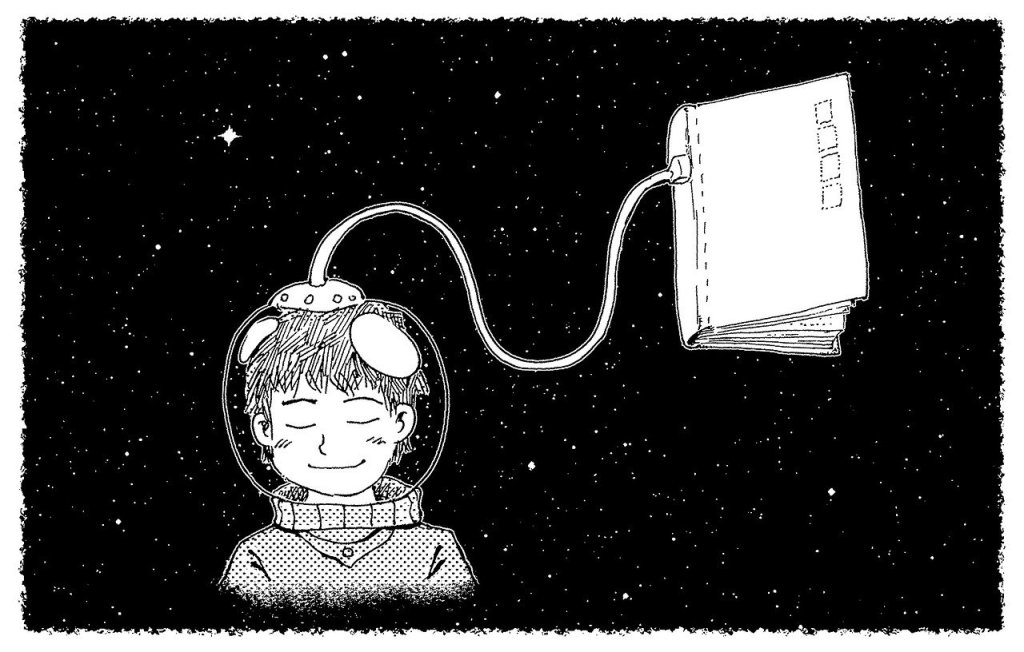
Image by 愚木混株CDD20 on Pixabay.

One of the things that is interesting about the foundational readings—pieces written within the two decades spanning 1992-2012—is how current the recommendations feel during the time of COVID-19 and library closures. As Mathews (2012) states, “It’s not about adding features, but about new processes” (p. 1). Throughout the past year and a half, libraries have been challenged to offer their services in accessible ways. They did not do anything different than programming, offering materials, etc. Rather, they offered those items to the public in new formats.

At the end of March 2020, my youth services team had just wrapped up planning for the Summer Learning Program scheduled to start in the second week of June. Suddenly, our plans were upended, and we had to begin again. What we did not do was to add new things to our lineup. Instead, we figured out how to offer what we had already planned in new ways—through virtual formats and grab-and-go materials. Entertainers migrated from in-person to online, and apps were offered instead of paper forms to keep track of minutes read. We did things I had been advocating for since I was hired—to create a YouTube channel, be more intentional with our social media, and engage in ways beyond the traditional in-person Storytime.

Another way things have shifted is through how our patrons consume library materials. Buckland (1992) discussed ebooks as a part of the evolution of libraries. In the past, I found that parents and caregivers were reluctant to embrace electronic library platforms such as OverDrive and Hoopla, at least when those services were used for children and teens. Each month, I could expect around $2000 worth of requests and holds for ebooks and audiobooks for the youth side of our rural community. Last month, that number increased to over $10,000, reflecting that evolution. As stated by Casey and Savastinuk (2007), downloadable media serves “as a proactive attempt to reach out to new users and remain relevant to current ones” (p. 17). In Jaws, Brody realized they were going to need a bigger boat (MovieClips, 2011). To stay relevant, I am going to need a bigger budget.

Mathews (2012) puts it succinctly, “Which side of the revolution will we be on?” (p. 1). I am truly hoping we as library professionals are on the side of innovation and service to patrons, embracing change and delivering new opportunities to the public. The current pandemic has put these challenges into stark relief. The evolution of library services has been accelerated, and it is up to librarians and library staff to address those needs.

References

Buckland, M. K. (1992). Redesigning library services: A manifesto. American Library Association. 

Casey, M. E., & Savastinuk, L. C. (2007). Library 2.0: A guide to participatory library service. Information Today.

Mathews, B. (2012). Think like a startup. https://vtechworks.lib.vt.edu/bitstream/handle/10919/18649/Think%20like%20a%20STARTUP.pdf?sequence=1&isAllowed=y

MovieClips. (2011, June 16). Jaws (1975). [Video]. YouTube. https://youtu.be/2I91DJZKRxs

12 responses to “New Frontiers in Library Services”

  1. Hi Mellisa, I love reading about your real-life examples how libraries can pivot (that’s the word of 2020, I think), demonstrating how flexible and creative services, programs and staff can be (and are). I think of your example–things happening in your library that you long advocated for–as one of those silver linings of the pandemic (for my family it was hundreds of meals together). Thanks for sharing a slice of your library life with us to showcase Library 2.0 in action. A programming note: your visuals really caught my attention and the JAWS one made me laugh! –Julie

    Like

    1. Hi Julie,
      I’m so glad the Jaws one made you laugh! I was hoping it would add a little comedy to my post. 🙂 Also, I totally agree that pivot was the word for 2020. I even said that during a presentation I gave at CLA. 😀

      Like

  2. It’s so great that families were able to gather around their dinner tables more during the pandemic. That, and the reduction in pollution and respite for the environment were two great things that happened as a result of Covid 19.

    Like

    1. There were a number of silver linings as well as good things to learn during the forced changes to our habits. Though admittedly, things didn’t change overly much for this introvert! Now to make sure we do actually keep those positive aspects in mind going forward…

      Like

  3. Jonathan Padilla Avatar
    Jonathan Padilla

    This was a great read. Although I myself haven’t been able to work yet within the library setting, I have experienced change multiple times within my own work. Moving from hand tracked data recording to tablet recording. Originally, I wasn’t in favor of the change, due to the original trial flop, but the efficiency and cost of the new application on a new operating system outweighed the deficits of learning a new system. Fortunately, the change happened during the beginning of the pandemic, making access to office materials faster without the needing to be in the physical office.

    Like

    1. Thank you, Jonathan! I understand the hesitancy about operating systems. My library has changed catalog systems three times in the past six years. When I worked in retail and grocery, our point of sale systems were never switched out that often.

      Like

  4. Hi @mhannum
    I’m happy to hear that your ideas before the pandemic were realized, and your library was able to see how beneficial online resources/services can be! It’s exciting to see your perspective from a rural community standpoint, as well! Although I just started my position as a Library Assistant of Youth and Family Services in July at this new library, we’ve been opened up to the public for a few months before, with limited services/programming. I still get some pushback from parents when they want to check out a physical book, but we don’t have access to it. When I let them know we have the books available through our e-book services like hoopla and iCloudLibrary, they don’t want to view it that way. The majority of our e-book patron users are on our adult side. There’s definitely a weird disconnect between parents not wanting to (this is my assumption) expose their younger children to more screen time.

    Looking forward to hearing more about your journey through this class!
    -Fin

    Like

    1. Hi Fin,
      What you have been experiencing with parents and caregivers and the reaction to screen time is what I have experienced as well. In fact, the other two youth librarians feel the same way as those caregivers and refuse to promote virtual options. We are at an interesting crossroads. It appears that my rural system—with a nod to a demographic change as many families from the Bay Area are moving here—has shifted. I wonder if you will experience the same?

      Like

  5. Mellisa, I just laughed out loud at your insert of that Jaws clip! That was perfect 😀

    I also loved your emphasis on the “Which side of the revolution will we be on?” quote. I agree, that’s such a crucial question to ask ourselves, both as librarians and even just as citizens of a boldly innovating society. Such a great read!

    Like

    1. Thank you, Sarah!

      Like

  6. @mhannum I so appreciate the story you shared and the conversation you created here!

    This: “The evolution of library services has been accelerated, and it is up to librarians and library staff to address those needs.”

    YES!

    Like

    1. Thank you, @michael

      Like

Leave a reply to Julie McPherson Cancel reply